






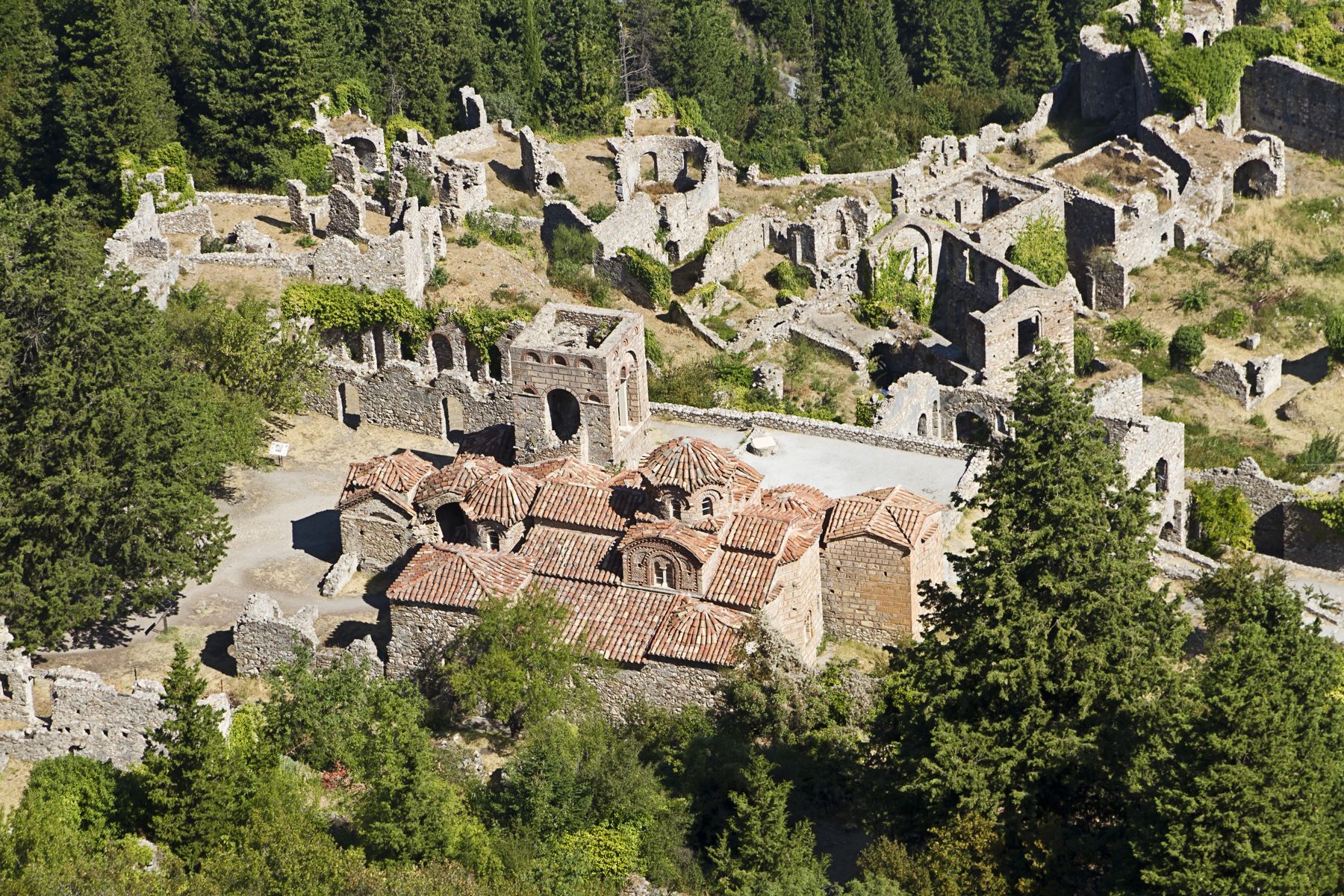
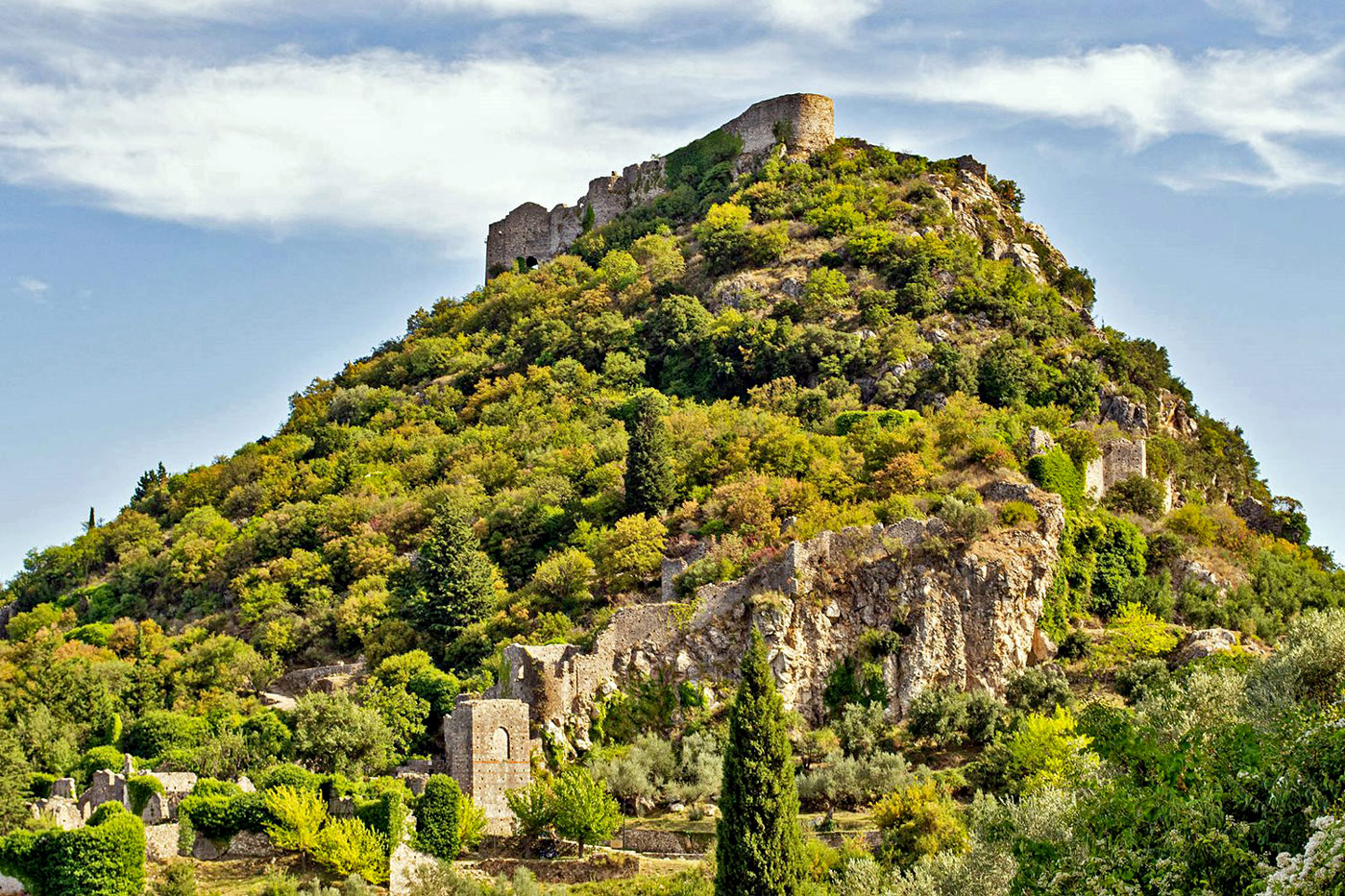
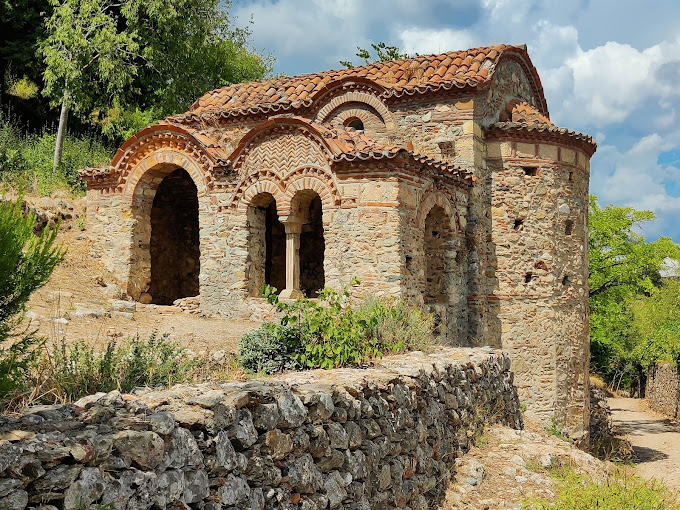
The Archaeological Museum of Mystras is an archaeological museum in Mystras, Greece. It houses exhibits mainly dating from the Byzantine period found within the wider area.
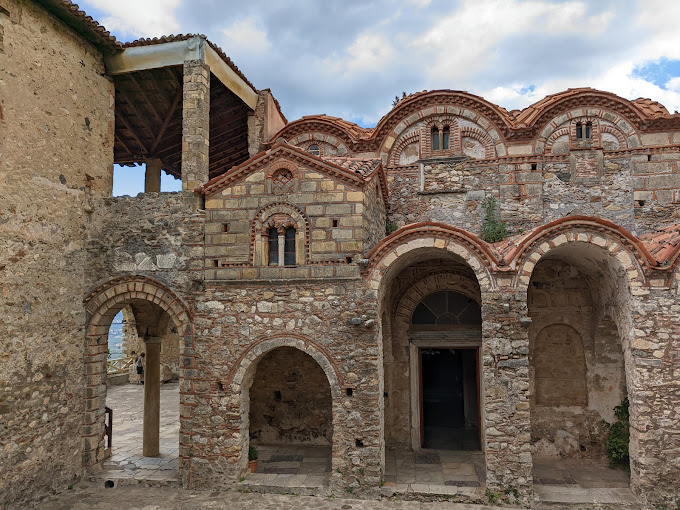
This particular museum was founded in 1952 and is housed in a two-story building that is part of the architectural complex of the Metropolis of Mystras or the Church of Agios Dimitrios, specifically within the western wing of the northern courtyard of the church. Exhibits are also hosted within the external courtyard area. The founder of the museum was the academic and archaeologist Nikolaos Drandakis. Within the eastern wing of the courtyard area of the church is an informal museum space established by the French Byzantinologist Gabriel Millet during the 19th century. In the early 20th century, the museum's exhibition collections were further expanded through the addition of the private collections of Theoklitos Menopoulos, Bishop of Sparta. In 2001, the museum underwent renovation works.
The museum's collections include, among other items, sculptures and other decorative objects originating from the churches and monasteries of the castle town of Mystras, icons, fragments of wall paintings, ceramic vessels, bronze objects, Byzantine and Venetian coins, jewelry, textiles, as well as other archaeological finds from the wider area. The museum also showcases, through its exhibits, the significance of Mystras as a castle town, including its relationships and influences with Western civilization.
Among the most significant exhibits of the museum are a marble relief representation of Alexander the Great, which was previously located on the floor of the nave of the Monastery of Panagia Perivleptos, dating between 1350 and 1400, a votive icon representing Jesus Christ seated on a throne, also originating from the Monastery of Perivleptos and dating from the same period, parts of an iconostasis originating from the Church of Pantanassa Monastery, one of which represents the symbol of Evangelist John with an eagle holding the Gospel book, fragments of marble reliefs representing an eagle and a hare, dating between the 11th and 12th centuries, as well as parts of wall painting decoration originating from the Chapel of Agia Paraskevi, dating from the 13th century.
Plan ahead and take advantage of official online rates.
Copyright © 2026 by Lakonia Guide
